In Hawaiʻi a lūʻau means a feast or party, and entertainment usually comes with it. Under the old kapu system men and women ate apart, until in 1819 King Kamehameha II ate with the women and the rule fell. Feasts followed, smaller ones called pāʻina and larger ones called ʻahaʻaina. The word names young taro leaves, cooked into a dish served at these meals, and it was in print by 1856.
The quick verdict
Is the Daytona Beach luau worth it, and what do you get for the ticket?
Yes, for an easy evening of food and dance
For most visitors who want one relaxed night of island food and Polynesian dance, yes. The ticket buys about two hours indoors in Daytona Beach: a lei greeting at the door, a dinner of island dishes, water, tea and soft drinks, free parking, and a show of warrior chants, live music, hula and dances from several Polynesian islands, closed by a Samoan fire-knife performance. Beer, cocktails, photos and souvenirs cost extra. The show is performed by one Samoan family, whose roots are in Nuʻuuli on Tutuila, American Samoa.
What it is
A dinner show. You eat at your table and the performance comes to you, with a host who keeps things moving and brings a few guests into the action. The dances draw on Hawaiian, Samoan and other island traditions rather than on a single island, and the evening builds towards the fire knife, which comes last.
What it is not
Not a party on the sand: for all the town's famous beach, this luau is an indoor dinner show, and the sea plays no part in it. Not all-inclusive either, because alcohol is sold at a cash bar and photographs and souvenirs are for sale. And not a fixed menu. The island dishes change, so read any list you have seen as a sample.
The night in four lines
- At the door
- A lei from the dancers.
- Length
- About two hours.
- In the ticket
- Dinner, soft drinks, parking.
- Last on stage
- The Samoan fire knife.
From the door to the fire
How the two hours run
Your confirmation gives the start time. This is the usual shape of the night, not a timetable or a set list.
- Arrive
Park and walk in
Parking is in the ticket, so drive straight to the venue in Daytona Beach; the address comes with your booking. Leave time to find your table before things begin.
- Lei
A greeting at the door
Dancers greet you with a lei, the garland Hawaiʻi gives to honour a guest. It is the very first moment of the evening, so be there on time.
- Dinner
Island dishes for the room
Dinner is a spread of island cooking, with water, tea and soft drinks included. The dishes change, so expect a style rather than set plates. Beer, wine and premium drinks come from the cash bar.
- Show
Chants, drums and hula
Under low lights the family performs warrior chants, live music, hula and dances from several Polynesian islands, while a host introduces each part and draws a few guests in.
- Fire
The fire knife closes the night
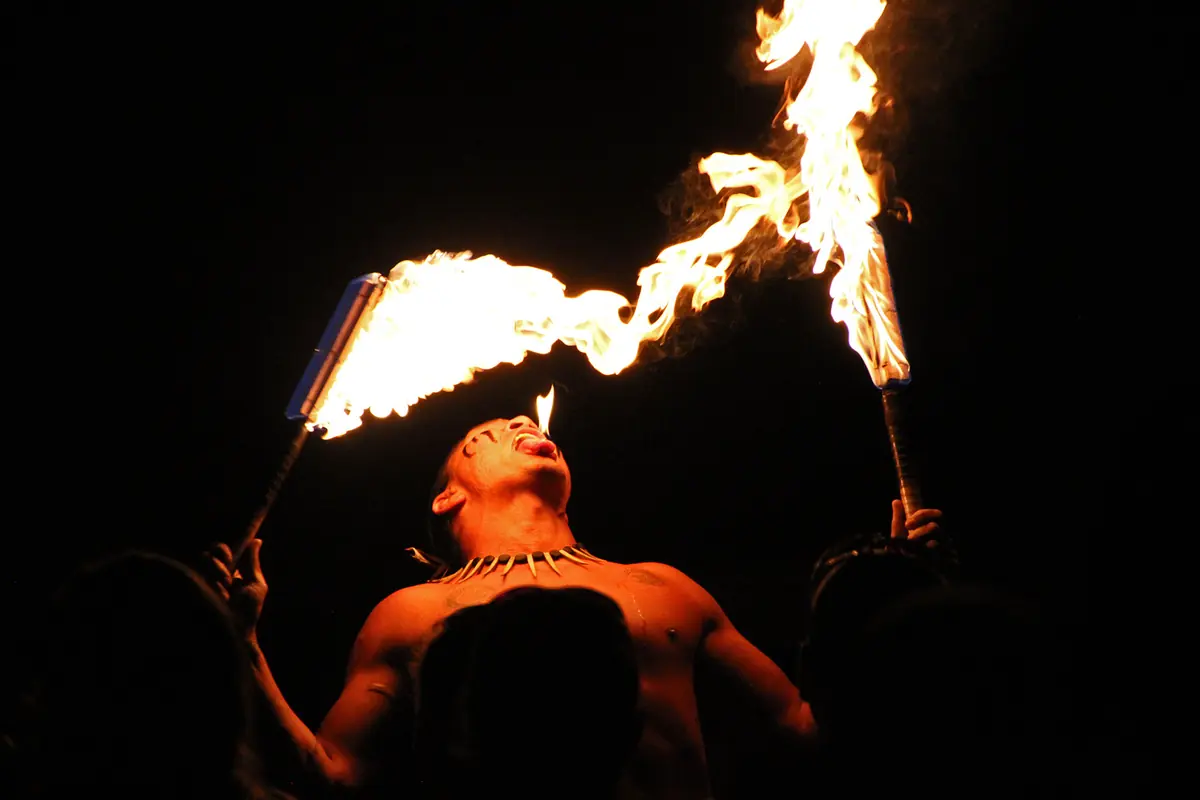
The show ends with the Samoan fire-knife dance. It is the loudest and brightest part of the evening, and it comes last, so keep your seat.
- After
Photos, then home
Photographs and souvenirs are on sale if you want a keepsake. Then it is back to the car, with parking already paid.
Read the evening
Eight customs a luau borrows
This is not the show's running order, which belongs to the performers and changes. It is a short glossary of the Hawaiian and Samoan customs a Polynesian dinner show draws on, so the evening is easier to read from your table.
- Lei
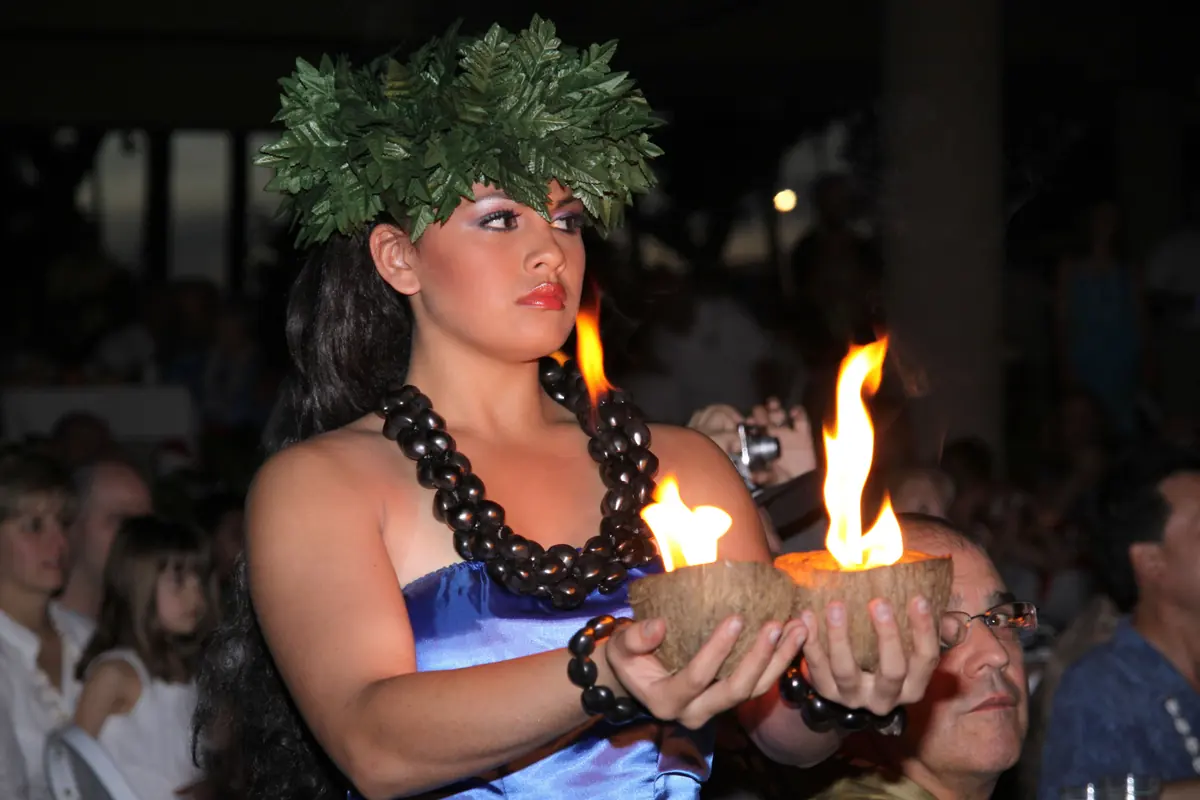
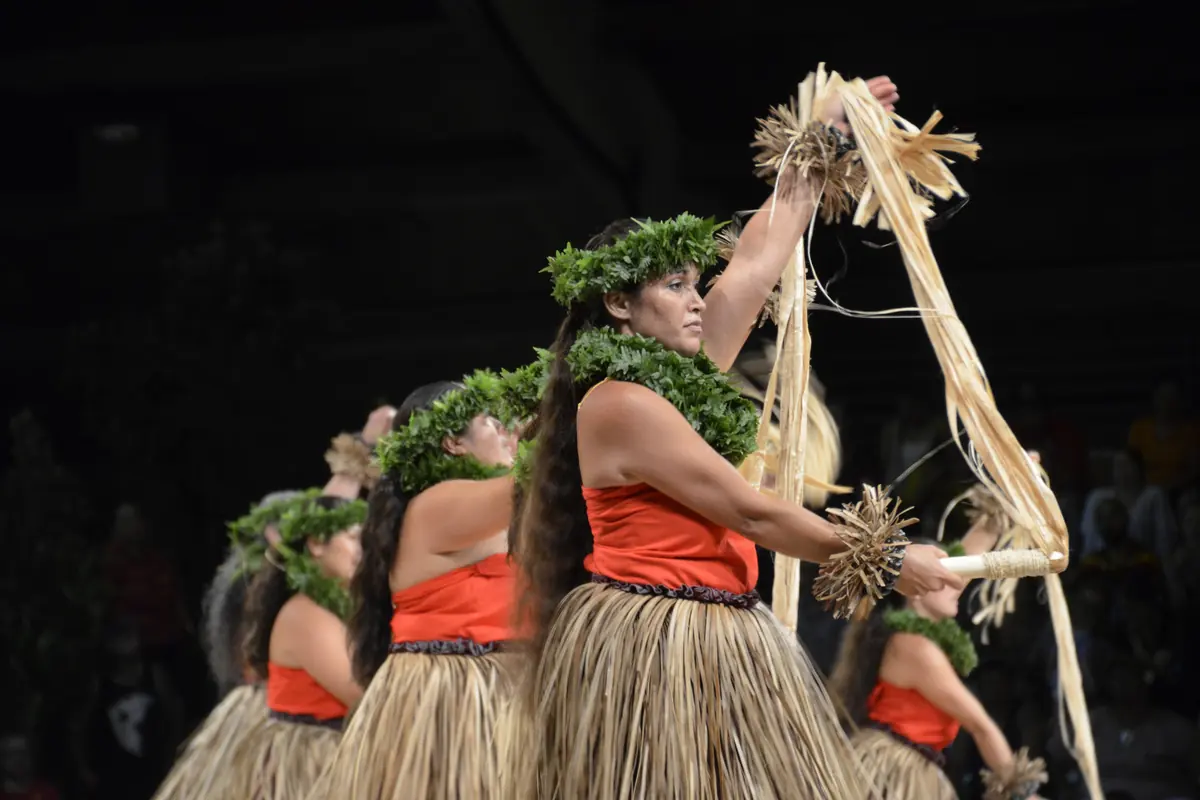
- A garland, usually of fresh flowers, leaves, ferns or seeds, worn round the neck. Lei are given to honour someone, and the habit of placing one on visitors arriving in or leaving Hawaiʻi is what made them known across the United States. Hula dancers wear them as headpieces, necklaces and anklets, and the first of May is kept as Lei Day.
- ʻAwa and ʻava
- Kava, a drink made from the root of a Pacific pepper plant, is ʻawa in Hawaiian and ʻava in Samoan. In Samoa the ʻava ceremony is among the most important customs: a solemn sharing of the drink, with speeches and a strict order of who drinks first, mixed in a wooden bowl called a tanoa. In old Hawaiʻi, ʻawa was offered to the gods of hula in return for knowledge and inspiration.
- Imu and umu
- The Hawaiian imu is an earth oven: a pit lined with heated stones and banana leaves, where food is covered over and left to cook for hours. Building one was hard work, so it was kept for special events. Cooking this way is called kālua. Samoa's umu works the same way but usually sits above ground, and it is still an everyday way to roast food there.
- Hula kahiko
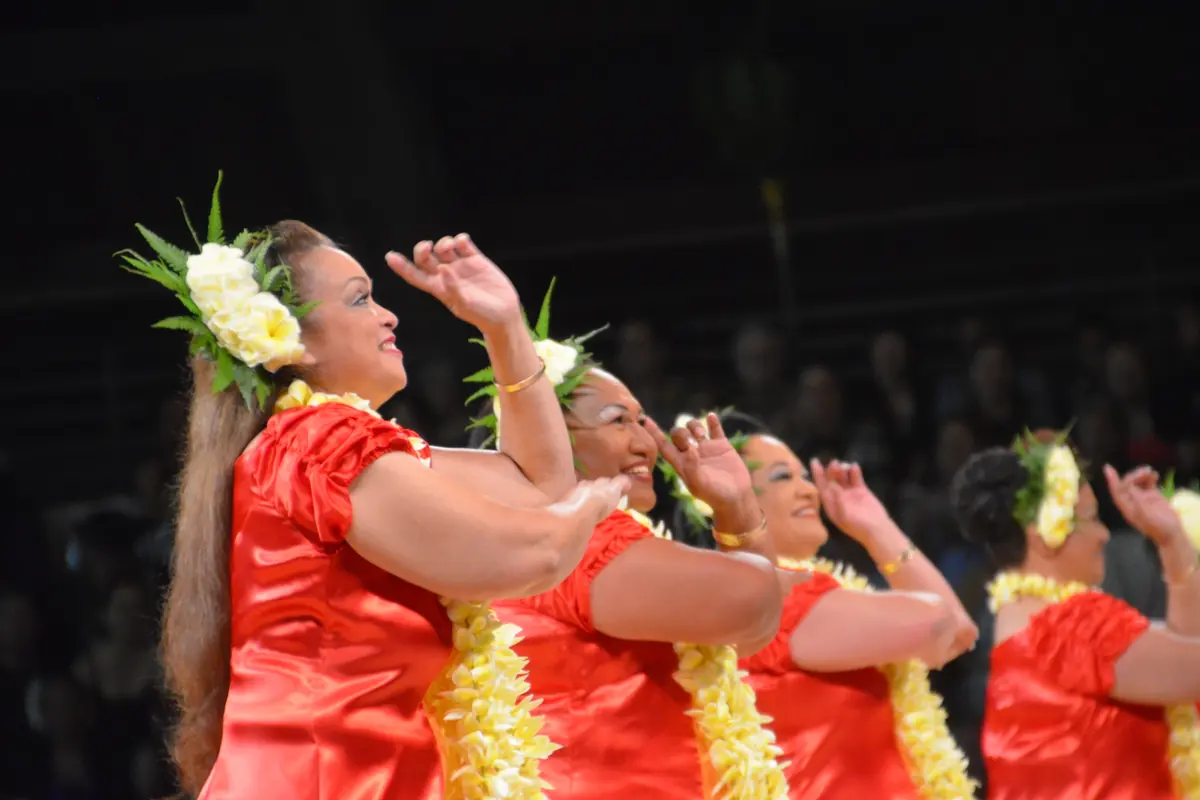
- Hula turns the words of a chant or song into movement. Kahiko is the form from before Western contact, danced to chant with old instruments like the gourd drum called ipu. Many kahiko honour a god or a chief, and the style is often austere. Missionaries who arrived in 1820 condemned hula and public performances were banned in 1830; King Kalākaua encouraged the old arts again during his reign, from 1874 to 1891.
- Hula ʻauana
- The name ʻauana means drifting or wandering, and this is hula as it changed under Western influence in the 19th and 20th centuries. It is danced to song with guitar, ʻukulele and double bass, and costumes lean towards dresses rather than leaves. In both styles the hands tell the story: a tree swaying in the breeze, a wave in the ocean, a feeling such as longing.
- Sasa
- A Samoan group dance, usually performed sitting down, built on fast, exact claps and hand movements. The word means to strike. Each gesture stands for something from daily life, such as paddling a canoe, cooking or cleaning, and the whole line has to move as one. A leader's call of tulolo tells the group to bow their heads.
- Siva and the taualuga
- Siva is the Samoan word for dance, and traditional siva asks above all for grace, with arms and hands moving subtly. Its high point is the taualuga, named after the last stage of building a house, when the topmost rafter is fixed. It often closes a celebration, and by tradition a chief's daughter or son danced it.
- Siva afi
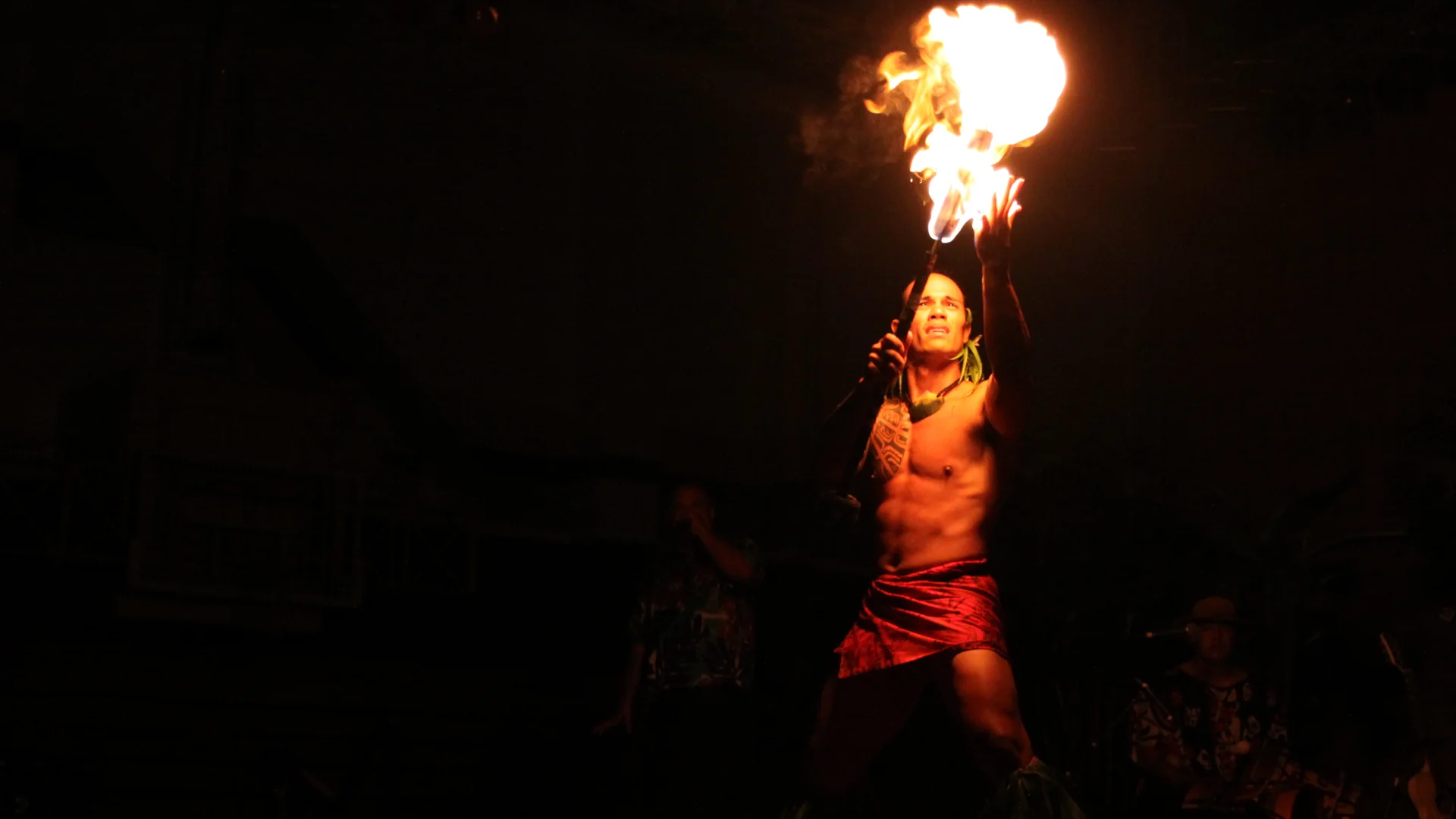
- The fire-knife dance. A dancer twirls, throws and catches a knife with both ends burning, sometimes one knife and sometimes as many as four. It descends from the ailao, the warrior's display with a war club. A world fire-knife championship has been held every year since 1992, in the third week of May, and the dance now appears in island shows from Tahiti to Hawaiʻi.
Sources: Wikipedia's articles on the lūʻau, the lei, kava and the Samoan ʻava ceremony, the earth oven and kālua, hula, sasa, Siva Samoa, the taualuga and the fire knife.
Behind the show
Where the word comes from
Why a Samoan dance ends it
The fire-knife dance, siva afi, is Samoan. Its ancestor is the ailao, in which a warrior showed off with a war club, spinning it, tossing it high and catching it again, and the first fire knives were machetes wrapped in towels at both ends and set alight. Wikipedia describes the fire knife as a Samoan cultural implement used in ceremonial dances, which is why a Hawaiian-style feast so often closes with a Samoan act.
Paid for, and not
What the ticket covers
The booking in plain terms, so nothing at the table catches you out.
- Included
- Dinner, the live show, water, tea and Coca-Cola soft drinks, and parking.
- Not included
- Alcoholic and premium drinks, photographs, souvenirs and tips.
- The food
- Island dishes served for the whole room, from a menu that changes. For allergies, message the venue through your booking before the day.
- The setting
- An indoor dinner show in Daytona Beach rather than an event on the sand. The exact address arrives with your confirmation.
- Length
- About two hours. The calendar shows the start time for every date.
- Who performs
- A Samoan family from Nuʻuuli, a village on Tutuila in American Samoa, with live music and a host. The company behind the evening is Polynesian Fire Luau.
- Access
- The venue is wheelchair accessible.
- If plans change
- Notice of 24 hours or more cancels the luau at no cost, and payment itself can wait until the trip is closer.
The town around it
The World's Most Famous Beach
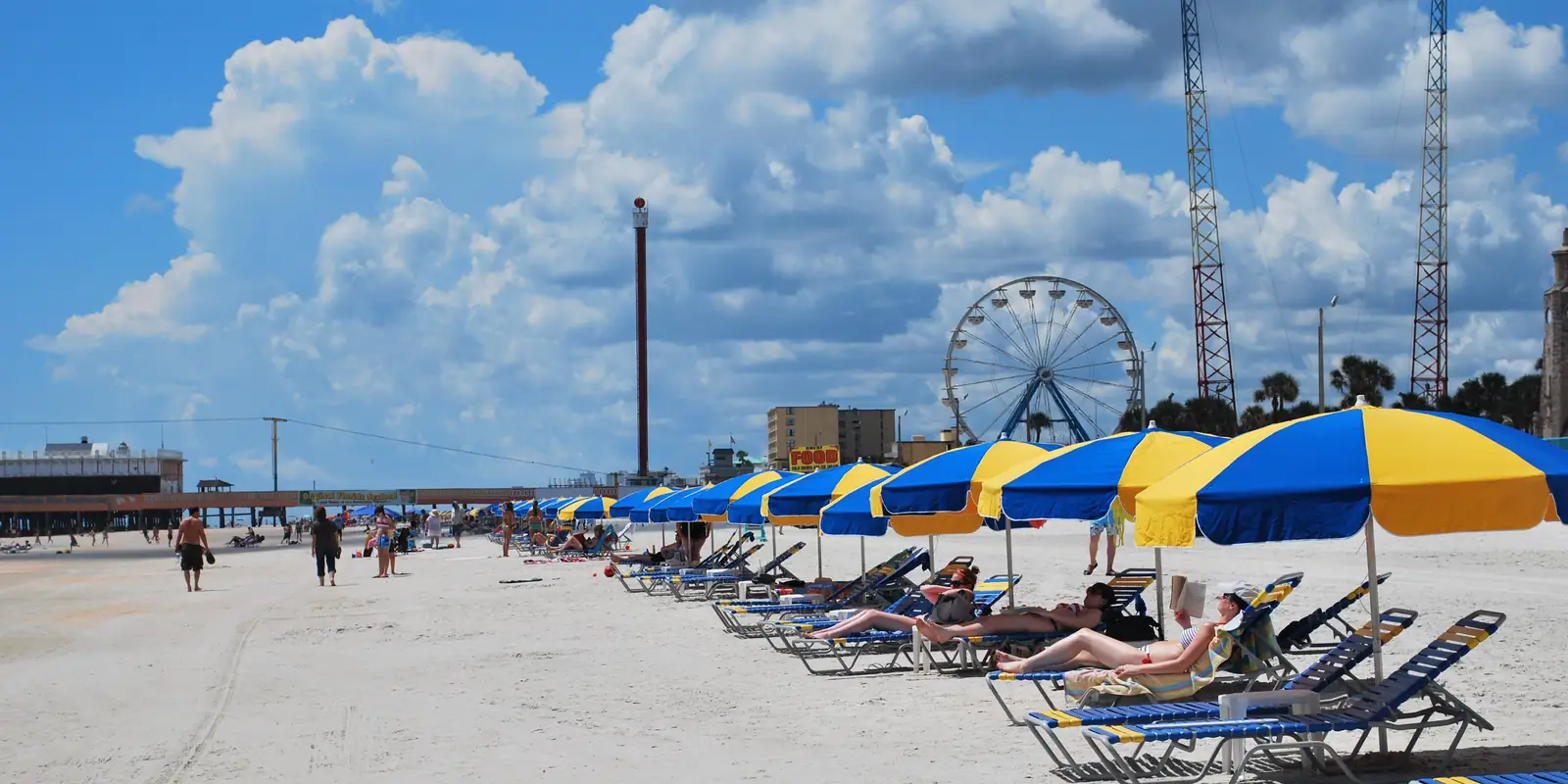
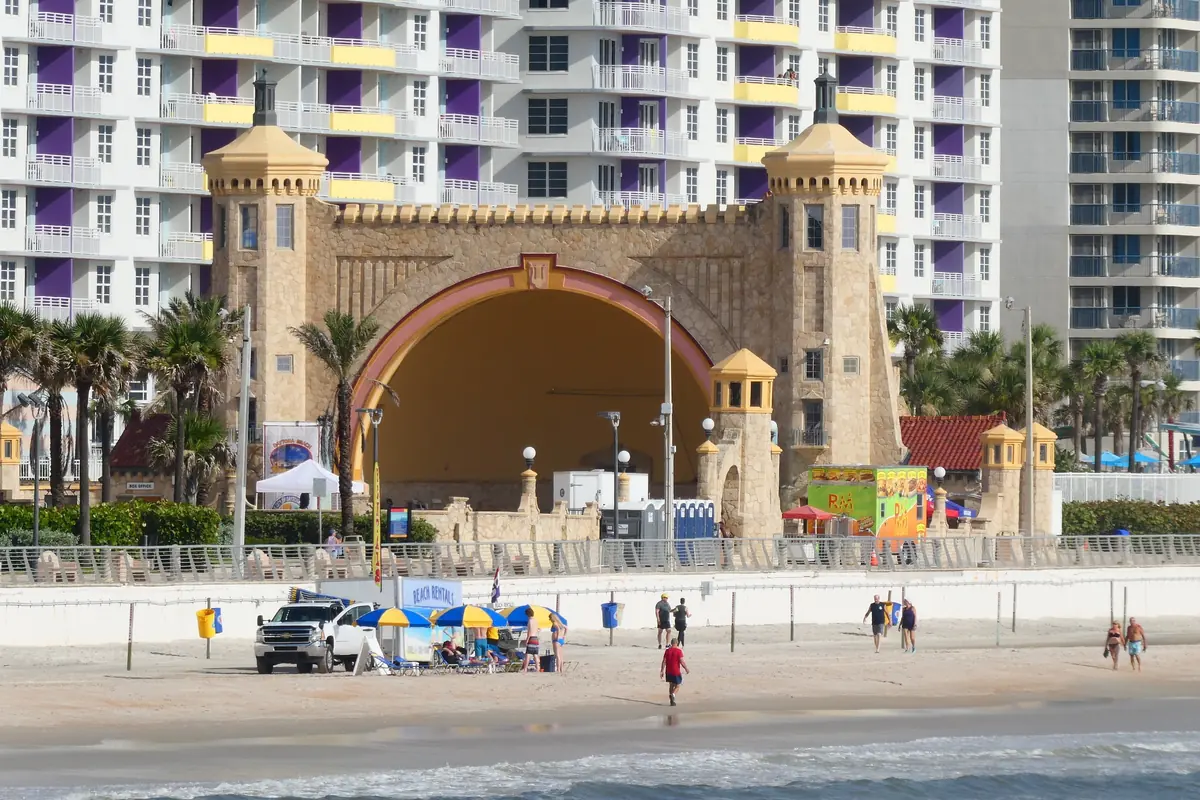
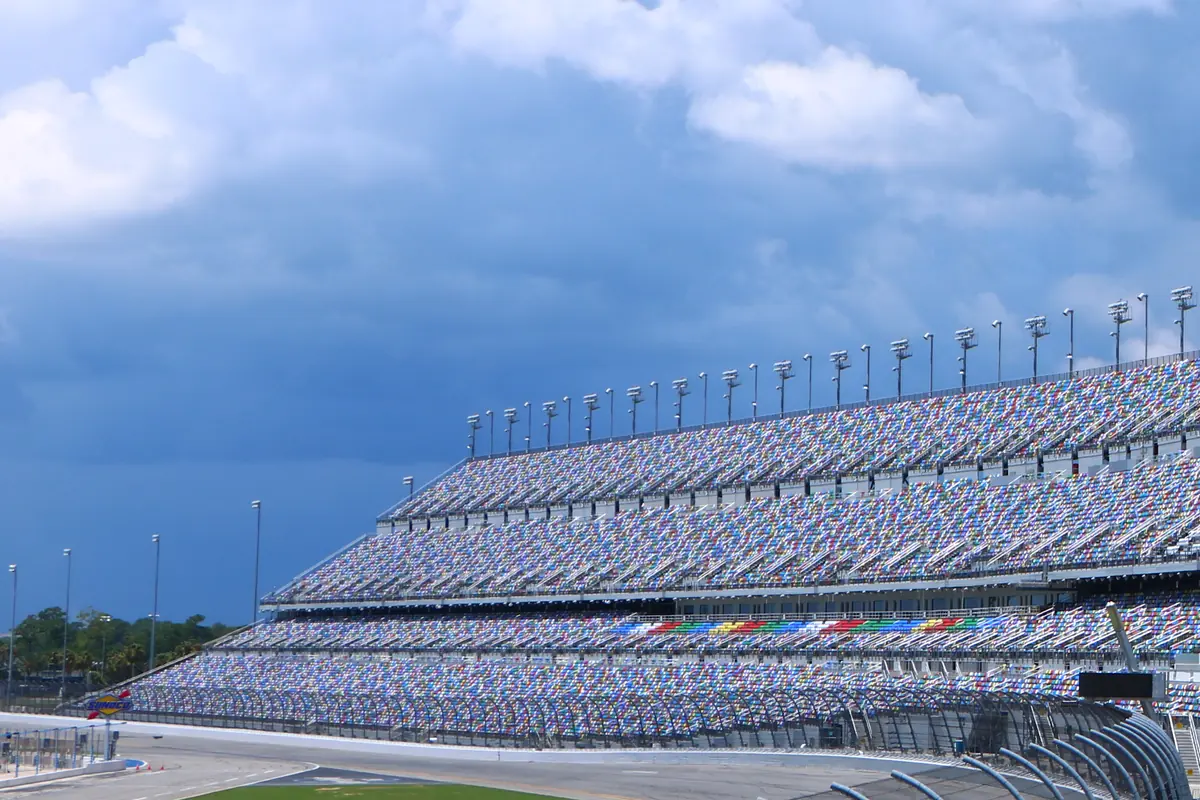
By the 1920s, Daytona Beach had been dubbed the World's Most Famous Beach. Its hard-packed sand drew car and motorcycle racers from 1902 and land-speed record attempts from 1904, and cars may still drive on most of the beach at up to 10 mph. Racing moved off the sand to Daytona International Speedway, which opened in 1959 and is home to the Daytona 500.
Two Florida dinner shows
A luau on the coast, or a pirate dinner show in Orlando
Daytona luau
Orlando pirate show
What it is
Polynesian dinner and dance show
Pirate-themed dinner show
Where
Daytona Beach
Orlando
How long
Roughly two hours
Two hours or so
Dinner
Island dishes, menu changes
Three-course dinner
Soft drinks
Water, tea and sodas
Unlimited in the package
Alcohol
Cash bar
Not listed in the package
Parking
Included
Included
The big moment
Samoan fire-knife dance
Stunts, cannons, pyrotechnics
If plans change
Cancel free until 24 hours out
Same 24-hour free cancellation
Book the luau, or plan around it
The luau, a pirate dinner show, a gator park and a night walk
This site exists for the luau. The pirate show is the other dinner-show night within reach, inland in Orlando; the wildlife park fills a day; and the Gatorland flashlight walk is a second evening out.
Polynesian dinner luau and fire-knife show
About two hours indoors in Daytona Beach: a lei at the door, island dishes with soft drinks, chants, live music and hula, then a Samoan fire-knife finale. Parking is included; alcohol is extra.
Pirate dinner show in Orlando, deluxe package
Two hours in an Orlando showroom built round an indoor lagoon and a replica 18th-century Spanish galleon, with stunts, songs and pyrotechnics. The package covers a three-course dinner, unlimited soft drinks and parking.
Wild Florida park ticket with gator shows
A one-day ticket to a wildlife park at Kenansville, with a live alligator demonstration, a tropical bird aviary and a boardwalk through cypress swamp. Plan on driving there.
Gatorland flashlight tour at night
Ninety minutes after dark with a guide on the wooden walkways of Gatorland's alligator breeding marsh, with a flashlight, insect repellent and food to toss to the alligators. Children aged two and under go free.
More to book around Daytona Beach
Pictures
Fire, flowers and the Daytona shore
The dances a luau draws on, and the beach town it sits in.
Getting there
Getting to the luau
Where it is
In Daytona Beach. The venue's address comes with your confirmation, and you make your own way there; there is no pickup.
By car
Driving is the simple choice, because parking is part of the ticket. Put the address into your map app before leaving.
From Orlando
Interstate 4 runs from Tampa through Orlando and ends at Interstate 95 on the edge of Daytona Beach. It is often congested, so leave early enough to be seated for the lei.
Crossing town
The Halifax River lagoon splits Daytona Beach in two, and the bridges across it charge no toll.
Wheelchair users
The venue is wheelchair accessible. Mention any needs through your booking so the seating can be arranged.
Before dinner
The boardwalk and the Main Street Pier are on the beach at the east end of Main Street, if you want sea air before the show.
Before you go
Six guides to the Daytona luau
- Start here
Daytona luau: worth it?
Two hours at the Daytona Beach luau: what is included, what costs extra, where the fire-knife finale fits, and who should pick a different evening. Read the guide → - Compare
Luau or Orlando dinner show?
The Daytona Beach luau or the pirate dinner show in Orlando: what each evening includes, the drive between them, and which one suits your trip. Read the guide → - Customs
Lei, ʻawa and imu explained
The garland at the door, the kava bowl and the earth oven: the Hawaiian and Samoan customs a luau borrows, and the 1819 meal that started it. Read the guide → - The dances
Hula, sasa and siva decoded
Hula kahiko and ʻauana, the seated Samoan sasa, the graceful siva and the fire knife: what each dance is and how to tell them apart from your table. Read the guide → - Getting there
Driving to the Daytona luau
How to reach the Daytona Beach luau by car: the address on your confirmation, the parking in your ticket, the road from Orlando and when to set off. Read the guide → - Plan the day
A Daytona day before dinner
How to fill the hours before the luau: the beach you can drive on, the boardwalk and pier, the speedway, and alligators inland if you want a change. Read the guide →
FAQ
Questions before you book the luau
Is the Daytona Beach luau worth it?
Yes, if you want an easy family evening of island food and dance. About two hours buys dinner, soft drinks, parking, a lei greeting and a show of chants, live music and hula that ends with a Samoan fire knife. Alcohol, photos and souvenirs cost extra.
What does the ticket include?
Dinner, the live show, water, tea and Coca-Cola soft drinks, and parking. Alcoholic and premium drinks, photographs, souvenirs and tips are not included.
Is the luau on the beach?
No. The luau happens indoors, at tables, in Daytona Beach rather than on the sand. Your confirmation carries the address.
What is the food like?
A dinner of island dishes served for the whole room. The menu changes, so expect a style of cooking rather than particular plates. For allergies, message the venue through your booking before the day.
How many hours does the luau take?
Around two, from the lei to the fire. Start times shift with the date you choose, and yours is printed on the confirmation.
Is it good for children?
Yes, it is a family show. A host keeps things light, a few guests are drawn into the action, and the fire-knife dance comes at the end. Check the ticket types for your date in the calendar.
Is parking included?
Yes. Parking is part of the ticket, which makes driving the simplest way to get there.
Who performs the show?
A family of Samoan performers whose home village, Nuʻuuli, lies on Tutuila, the biggest island in American Samoa. Live musicians and a host complete the line-up.
Is the venue wheelchair accessible?
Yes. Mention any access needs through your booking.
Can I cancel?
Yes. Give at least 24 hours' notice and the whole amount comes back. Paying can wait until nearer the date, too.
Is this the luau's own website?
No. Nobody connected with the luau, its venue or its operator runs this guide, and it has no link to them; it exists to help visitors decide. The booking itself happens on GetYourGuide, and when a ticket is bought through one of these links the guide may receive a commission at no cost to you.